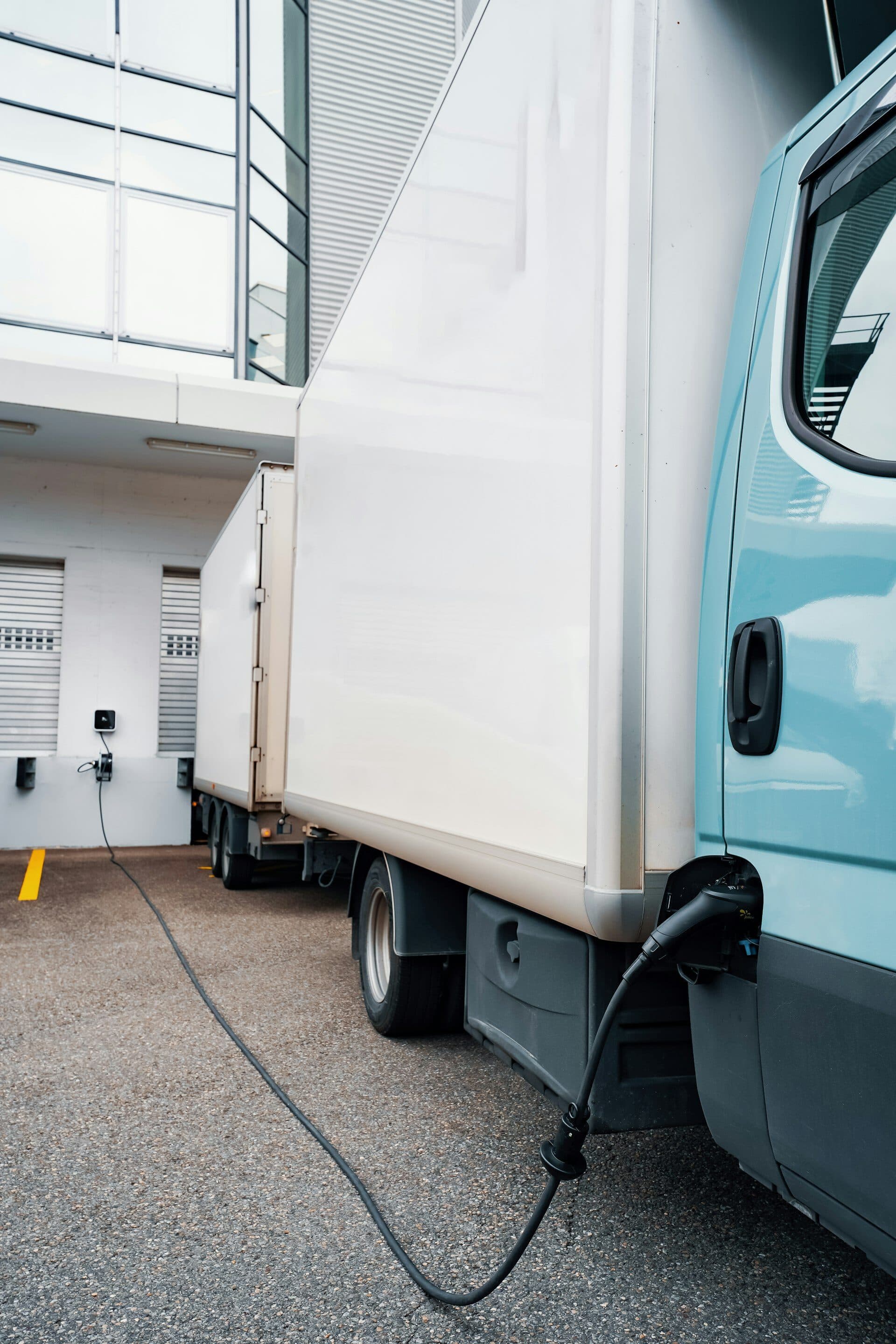
Is an electric van right for your business?
An electric van suits most urban and regional operators today, and struggles for long-distance rural or heavy-payload work. If your daily route is under 120 miles, you can charge overnight, and you spend time in low-emission zones, an EV probably saves you money. If you tow 3.5 tonnes across Wales every day, diesel still wins. This guide was updated and checked against GOV.UK, Zapmap and the makers' UK figures on 19 November 2026.
Use this rough checklist before you spec an electric van:
- Typical daily mileage under 150 miles
- Access to off-street parking or a depot charger
- Work in or near London ULEZ, Birmingham, Bristol, Bath, Sheffield, Newcastle or Glasgow
- VAT-registered business that can reclaim VAT on lease payments
- Predictable routes rather than long motorway runs
Most courier, service and last-mile fleets now tick all five boxes. See our electric vans range for the models we can supply, or jump to our courier vans page if that fits your use case.
How far do electric vans actually go?
A typical electric van does 150 to 250 miles on the WLTP test and 100 to 180 miles in real-world use. The gap between brochure and reality matters more than the headline figure, so plan for the lower number.
Real-world range drops in three situations:
- Cold weather. Winter can cut range by 20 to 30 per cent, mostly from cabin heating.
- Motorway speeds. Sustained 70 mph drains the battery faster than 50 mph town work.
- Heavy payload. A fully loaded van uses more energy than an empty one, though the effect is smaller than people expect.
What the current models deliver (official WLTP range)
- Ford E-Transit Custom: up to 230 miles.
- Volkswagen e-Transporter: up to 232 miles.
- Vauxhall Vivaro Electric: up to 230 miles.
- Ford E-Transit (large): 166 to 196 miles with the standard battery, and up to 249 miles with the larger 89kWh battery.
- Mercedes-Benz eSprinter (113kWh): up to 271 miles.
- Maxus eDeliver 9: up to about 219 miles with the large battery.
Real-world range is usually lower than these official figures, especially in winter and at motorway speeds.
Always ask the dealer for range on the exact payload and spec you want. A panel van with roof rack, racking and a full load is a different animal to the showroom demonstrator.
How does charging work for a business van?
Charging an electric van uses the same three tiers as a car: slow AC at home or a depot, faster AC at the workplace, and rapid DC on the road. Most businesses do 90 per cent of charging overnight on a 7 kW home or depot socket.
Typical charge speeds and times
- 7 kW home/AC: 8 to 10 hours for a full charge on a typical medium van battery, longer for the biggest batteries. Fine for overnight.
- 11 kW or 22 kW AC (three-phase): quicker than 7 kW, but most vans can only take up to 11 kW on AC, so check the van before you pay for a 22 kW charger.
- 50 kW DC rapid: 45 to 60 minutes for 10 to 80 per cent. Useful for a midday top-up.
- 100 to 150 kW DC ultra-rapid: 30 to 45 minutes for 10 to 80 per cent on the newer vans.
The UK had about 99,000 public charging devices at the end of October 2026, according to Zapmap, with motorway service areas covered by Gridserve, BP Pulse, InstaVolt and others. A fleet operator usually installs a dedicated charger at the depot and uses the public network only as a backup.
Workplace charger grant
The Workplace Charging Scheme is open until 31 March 2027. It gives up to £500 per socket, for up to 40 sockets across all of a business's sites (GOV.UK).
What does an electric van cost to run?
Running costs on an electric van are well below diesel when you charge at home or the depot. Electricity at a depot tariff costs roughly 5 to 10 pence per mile. Diesel at about £1.97 a litre (the GOV.UK weekly average in mid-November 2026) costs about 25 pence per mile for a 35mpg medium van.
Side-by-side on a 20,000-mile year
- Electric at about 7p per mile (a business rate of around 21p/kWh at 3 miles per kWh): roughly £1,400 in energy.
- Diesel at about £1.97 a litre and 35mpg: roughly £5,100 in fuel.
- Saving: around £3,700 per van per year on energy alone. Both figures include VAT, which a VAT-registered business can reclaim.
Service and maintenance is also lower on an EV. No oil changes, no cambelt, no clutch. Brake pads last longer because of regenerative braking. Tyres wear slightly faster due to the extra weight, so budget for a set every 25,000 to 30,000 miles.
The honest trade-off: electricity prices change, and public rapid charging is expensive. Zapmap's average rapid price in October 2026 was about 82p per kWh, roughly 27 pence per mile, about the same as diesel. Your savings depend on charging at home or the depot.
Plug-in grant, BIK and tax relief in 2026
The plug-in van grant, now called the Zero Emission Van Grant (many price lists still say Plug-in Van Grant), has been extended to at least 2027. It takes up to £2,500 off small vans (under 2,500kg gross vehicle weight) and up to £5,000 off larger vans (2,500kg to 4,250kg), capped at 35 per cent of the price, and the seller takes it off the price. Eligible vans must have zero tailpipe emissions and at least 60 miles of range. Rates can change, so check GOV.UK before ordering.
What you can claim in 2026
- Zero Emission Van Grant: up to £2,500 off a small van (under 2.5t gross weight) or up to £5,000 off a larger van (2.5t to 4.25t).
- Workplace Charging Scheme: up to £500 per socket, for up to 40 sockets across all your sites, until 31 March 2027.
- Capital allowances, if you buy the van: a company buying a new van outright or on hire purchase can claim full expensing (100 per cent in year one). Other businesses can use the £1 million Annual Investment Allowance or the 40 per cent first-year allowance. Leased vans don't get capital allowances; the rentals are deducted instead.
- VAT recovery: reclaimable on lease payments where the van is for business use.
Benefit-in-kind (BIK) on company vans
An employer can provide a fully electric van for employee private use with a nil van benefit charge. That compares to £4,170 for a diesel van in 2026/27, which at 20 per cent income tax saves the employee £834 a year. Electric company vans are a genuinely cheap benefit to offer staff.
Fuel benefit charge is also £0 on a zero-emission van, even if the company pays for home electricity used to charge it.
For wider financing options that pair with these tax reliefs, see our business van finance guide.
ULEZ, clean air zones and 2030 rules
A fully electric van pays nothing in any UK Clean Air Zone, the London ULEZ or Oxford's Zero Emission Zone. Diesel vans need to meet Euro 6 to avoid daily fees, and many older vans do not. Our Clean Air Zones guide lists every zone's charge.
Current UK charging zones in 2026
- London ULEZ: London-wide since August 2023. £12.50 per day for non-compliant vans.
- Birmingham Clean Air Zone: Class D. £8 per day for non-compliant vans.
- Bristol Clean Air Zone: Class D. £9 per day for non-compliant vans.
- Bath Clean Air Zone: Class C. Vans charged but private cars exempt.
- Sheffield Clean Air Zone: Class C. Non-compliant vans and taxis charged.
- Newcastle/Gateshead Clean Air Zone: Class C. Similar structure.
- Bradford Clean Air Zone: Class C.
- Portsmouth Clean Air Zone: Class B. Vans and cars are not charged; buses, coaches, taxis and HGVs are.
- Oxford Zero Emission Zone: charges even Euro 6 diesel vans £4 a day. Electric vans pay nothing.
- Scottish Low Emission Zones (Aberdeen, Dundee, Edinburgh and Glasgow): you can't pay to enter in a van that doesn't meet the standard, and the fine starts at £60.
The London Congestion Charge is separate. Since January 2026, electric vans pay it too, with a 50 per cent discount (£9 a day) on Auto Pay.
There are no clean air zones anywhere in Wales, including Cardiff. If you run South Wales routes only, the immediate ULEZ argument is weak. If your drivers regularly cross into Bristol or London, the daily charges add up fast.
The 2030 and 2035 deadlines
In April 2025 the government confirmed that new pure petrol and diesel cars can't be sold from 2030, but new petrol, diesel and hybrid vans can still be sold until 2035. In the meantime, van makers must sell a rising share of zero emission vans each year under the ZEV mandate. A review of those yearly targets ran from August to October 2026, and no decision had been published when this guide was checked.
Payload and practicality compared to diesel
An electric van typically carries 100 to 300 kg less payload than the equivalent diesel because of battery weight. The load volume is usually identical. For most light-goods work this is not a blocker, but trade fleets carrying heavy materials need to check the numbers.
Payload examples on the current range
- Vauxhall Vivaro Electric: up to 1,210kg, against 1,326kg for the diesel (Vauxhall, October 2026).
- Renault Kangoo E-Tech: up to 764kg, against 975kg for the diesel and petrol versions.
- Ford E-Transit (4.25t): up to 1,586kg for the van with the standard battery, thanks to the higher weight limit for electric vans.
The 4.25 tonne derogation
The UK allows standard car licence holders (category B) to drive a zero emission van up to 4.25 tonnes gross, instead of the normal 3.5 tonne limit. Since 10 June 2025, no extra training is needed. It recovers most of the payload lost to batteries on the large E-Transit, eSprinter and Master E-Tech.
Practicality also improves in three small ways: quieter cabin on long shifts, no cold-start issues in winter, and no DPF regeneration problems on short urban routes (a common diesel headache for last-mile couriers).
Which electric vans are worth looking at?
There are electric vans in every size in 2026, from small vans to large panel vans.
Small vans (up to 1,000 kg payload)
- Ford E-Transit Courier: fully electric, the smallest Ford van.
- Renault Kangoo E-Tech: up to 186 miles WLTP.
- Peugeot E-Partner, Vauxhall Combo Electric, Citroën ë-Berlingo: the same Stellantis van, with more than 200 miles WLTP on the latest versions.
- Volkswagen ID. Buzz Cargo: a small to mid-size van with a payload of about 650 to 750kg.
- Ford Transit Connect: plug-in hybrid, not fully electric.
Medium vans (1,000 to 1,300 kg payload)
- Ford E-Transit Custom: up to 230 miles WLTP, built by Ford Otosan in Turkey.
- Volkswagen e-Transporter: up to 232 miles WLTP, built alongside the E-Transit Custom.
- Vauxhall Vivaro Electric, Peugeot E-Expert, Citroën ë-Dispatch, Fiat E-Scudo: the same Stellantis van, up to 230 miles WLTP.
- Mercedes-Benz eVito: premium option, up to 160 miles WLTP.
- Renault Trafic E-Tech: a new model on order now, with first deliveries due in 2027.
Large vans
- Ford E-Transit: several lengths, at 3.5 to 4.25 tonnes, up to 249 miles WLTP.
- Mercedes-Benz eSprinter: two battery sizes in the UK, up to 271 miles WLTP.
- Renault Master E-Tech: the latest model arrived in 2024, at 3.5 and 4.0 tonnes.
- Maxus eDeliver 9: up to about 219 miles WLTP.
Browse our current stock on the electric vans page to see what we can supply on finance or lease.
When does electric make sense (and when it doesn't)?
Electric makes clear sense for urban delivery, service engineers with predictable routes, and any fleet that enters London, Birmingham, Bristol or another clean air zone regularly. The combination of zero daily charges, low energy costs and £0 BIK on company vans is hard to beat.
EV works well for
- Multi-drop couriers under 150 miles a day
- Last-mile distribution and parcel contractors
- Mobile service engineers (gas, electrical, telecoms) on a depot rota
- Local authority and utility fleets with depot charging
- Any business that needs the PR and ESG story of a zero-emission fleet
Diesel still wins for
- Long-distance rural work with no depot charging
- Heavy-payload trade operators close to GVW every day
- Plant and recovery work towing trailers
- Occasional-use vans where annual mileage is under 5,000 miles (the cost saving never repays the premium)
- Operators who cannot guarantee a charger at base
The sensible approach for most mixed fleets is to electrify the urban and regional routes first, keep diesel for the long-distance work, and review again when new models and charging infrastructure land.
If you are still weighing up finance structure alongside fuel choice, our van leasing guide walks through contract hire, finance lease and hire purchase side by side.
Frequently asked questions
What is the real-world range of a typical electric van?
A typical electric van delivers 100 to 180 miles in real-world UK driving, compared to a WLTP figure of 150 to 250 miles. Cold weather can cut range by 20 to 30 per cent, motorway speeds drain the battery faster than town work, and heavy payload makes a small additional difference. Always size the van around the worst-case day for your route, not the average.
How long does it take to charge an electric van?
A full charge takes about 8 to 10 hours on a 7kW home or depot charger for a typical medium van, and longer for the biggest batteries. A three-phase AC charger is quicker, though most vans can only take up to 11kW on AC. A 10 to 80 per cent rapid charge at 50kW takes around 45 to 60 minutes, and newer vans that accept faster DC charging can top up more quickly. Most fleets charge overnight at base and rarely touch public rapid chargers.
Are electric vans cheaper to run than diesel?
Yes, if you charge at home or the depot. Overnight electricity works out at roughly 5 to 10 pence per mile, against about 25 pence per mile for diesel at November 2026 pump prices. On a 20,000 mile year that saves around £3,700 per van on energy. Public rapid charging costs about the same as diesel, so the saving depends on where you charge. Service costs are lower too: no oil, no cambelt, longer brake pad life.
Can I still get the plug-in van grant?
Yes. The Zero Emission Van Grant (still called the Plug-in Van Grant on many price lists) has been extended to at least 2027. It takes up to £2,500 off small vans (under 2,500kg gross vehicle weight) and up to £5,000 off larger vans (2,500kg to 4,250kg), and the seller takes it off the price. Rates can change, so check GOV.UK before ordering. The Workplace Charging Scheme also gives up to £500 per socket for business chargers, until 31 March 2027.
Is an electric van exempt from ULEZ?
Yes, a fully electric van pays nothing in the London ULEZ (£12.50 a day for vans that don't meet the standard), any English Clean Air Zone, Oxford's Zero Emission Zone or the Scottish Low Emission Zones. It does pay the separate London Congestion Charge, with a 50 per cent discount on Auto Pay. For operators running into central London or the major English CAZ cities, the zero daily charge is often the single biggest financial case for switching.
What is the BIK rate on an electric van for company use?
A fully electric company van has a nil van benefit charge for private use, compared to £4,170 for a diesel van in the 2026/27 tax year. That saves a basic-rate taxpayer around £834 a year versus the same perk on a diesel van.
Ready to look at an electric van?
Talk to our team in Bridgend about which electric van suits your route and payload, and the finance structure that matches. We supply vans across the UK, take the van grant off the price, and can talk you through range and charging on the spec you want.
Useful next steps:
- Browse our electric vans range
- Spec a courier van
- Read the business van finance guide
- Compare van leasing structures