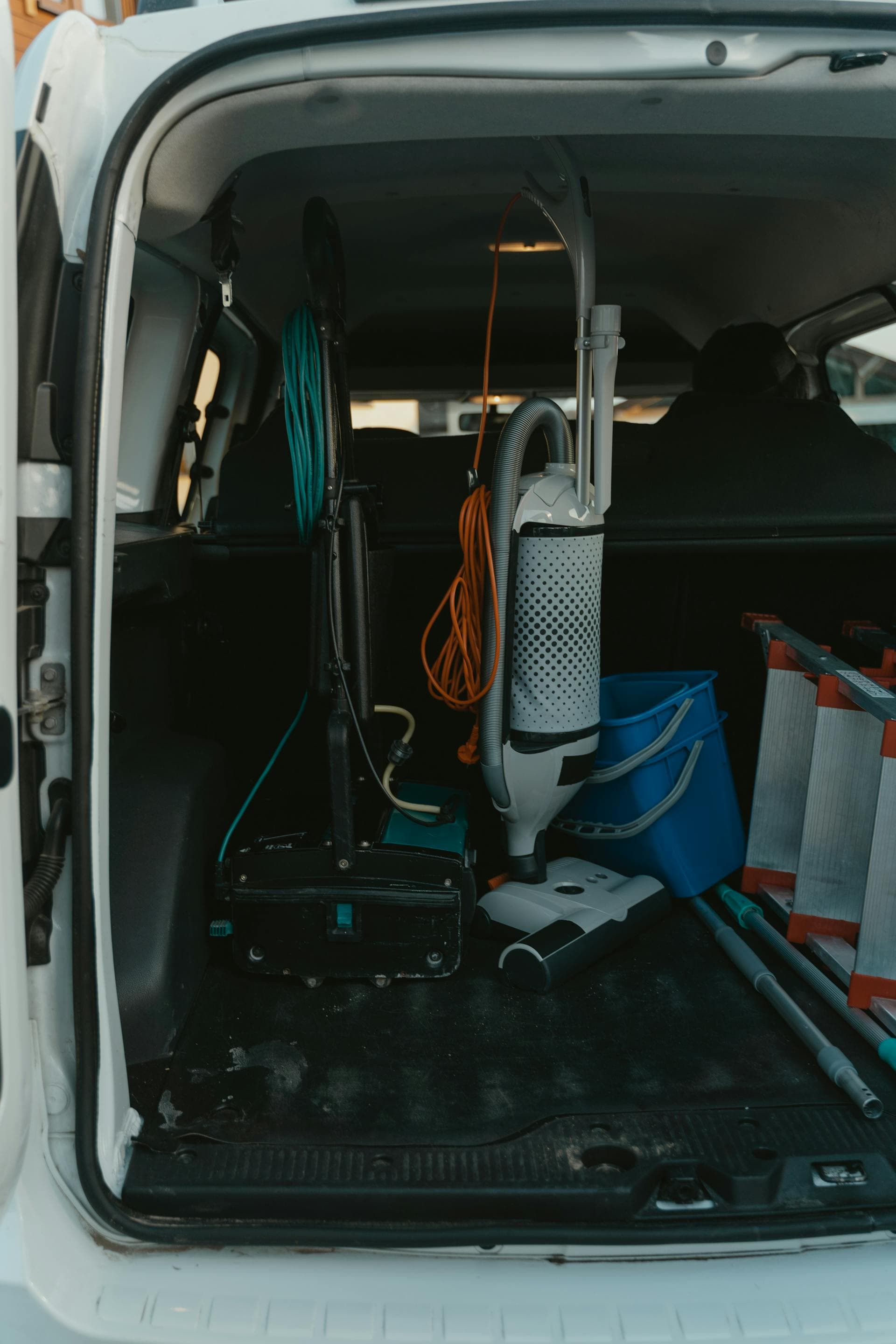
Can you signwrite or fit racking to a leased van?
Yes. Leasing companies generally let you add signwriting, a wrap, racking, ply lining or a tow bar to a van on contract hire or finance lease, as long as it agrees first. When you hand the van back, you either remove it all and put right any damage, or pay the leasing company to do it. The easiest way is to have everything fitted before delivery and included in the lease. This guide was checked against leasing companies' published rules, GOV.UK and HMRC on 19 November 2026.
Each leasing company (the funder) has its own rules, and they change. Always check your agreement before you fit anything.
Who you need to ask
- The funder. It owns the van. Lex Autolease, for example, says accessories or modifications added after delivery need approval from both your company and Lex (Lex Autolease: maintenance and repairs). It also says the cost of any changes after delivery is yours.
- Your insurer. Admiral says it counts signwriting as a modification, so tell it when you add some (Admiral). Racking, conversions and a tow bar should be declared too. For a business policy, the law says you must give the insurer a fair picture of the risk (Insurance Act 2015, section 3).
- The DVLA, sometimes. You must update the logbook (V5C) if you change the colour, the body type or the weight of a goods vehicle (GOV.UK). On contract hire and finance lease the funder usually holds the logbook, so it has to be done through the funder.
Signwriting and wraps
Signwriting and vinyl wraps are fine on a leased van. Use removable vinyl, not paint, and have it removed professionally before the van goes back. The trade body's van fair wear and tear guide was updated in July 2025 and says vans with wraps or emblems must follow the leasing company's guidance on removal (BVRLA).
If you hand the van back with the signwriting still on, the funder removes it and charges you. Two published examples:
| Leasing company | Signwriting left on | Full wrap left on |
|---|---|---|
| Arval (June 2026) | £21 per square metre, up to £167 for 8m² (ex VAT) | Charged by the time it takes |
| Ayvens (August 2024) | £100 per van | £200 per van |
Sources: Arval van damage charge matrix and Ayvens price list for vans. Both say the surface must be made good after removal. Arval says the bodywork must be back to its original colour and condition, so check for a "shadow" where the vinyl was before you hand the van back.
Racking, ply lining and other equipment
Racking and ply lining are some of the most common additions to a leased van. Ply lining protects the load area walls and floor, so it helps you avoid damage charges at the end.
What happens when you hand the van back depends on the funder:
- Lex Autolease says accessories you add later can stay on the van, or you can remove them, return the van to its original state and repair any damage (Lex damage guide, 2023).
- Arval says modifications must be removed professionally, and any holes sealed to stop rust and water getting in (Arval).
- Ayvens says anything supplied with the van at delivery must go back with it (Ayvens).
Who owns the racking matters. If it was paid for as part of the lease, it normally belongs to the funder and stays with the van. If your business bought it separately, it's yours to take out, as long as you make good any damage. Check your agreement, because the terms decide this.
Have racking fitted by a professional, using the van maker's fixing points. The DVLA counts making extra holes within 30cm of a suspension, steering, braking or seatbelt mounting point as a structural change (DVLA leaflet INF318), and that has to be reported.
Why fit it before delivery?
Fitting racking, ply lining and signwriting before the van arrives has three advantages:
- It can be included in the lease. The cost is spread across the monthly rentals, rather than paid up front.
- The funder has agreed to it from the start, so there are no permission forms after delivery.
- The van is ready for work on day one, fitted by a specialist who knows the van.
We fit Sortimo, Bott, Modul-System and Tevo racking and ply lining before delivery. See our racking vans and van conversions pages.
Racking and payload
Racking doesn't change the van's legal maximum weight, but it uses up payload: every kilo of racking is a kilo less you can carry. One pre-built Sortimo racking unit for a medium van weighs around 50 to 63kg (Sortimo Xpress 17 and Xpress 13), and a full fit-out with ply lining can easily be 100kg or more. Modul-System gives an example of an average fit-out falling from 144kg to 100kg with lighter steel (Modul-System).
Our van payload guide shows how to work out what you can still carry. On a double-cab pick-up, a canopy or heavy accessories can take the payload under 1,000kg and make it a car for VAT, as our VAT on van leasing guide explains.
Tax on racking and conversions
- Capital allowances: you normally can't claim them on equipment you lease, because you don't own it (HMRC: plant and machinery allowances). Racking your company buys and owns may qualify, for example under the Annual Investment Allowance, even if the van is leased. Whether racking bolted into a leased van stays yours depends on the agreement, so ask your accountant.
- VAT: a VAT-registered business can normally reclaim VAT on racking it buys for business use. VAT on accessories added later only counts if the accessory has a business use (HMRC: VAT on motoring expenses).
- Watch out for windows and seats. Fitting side windows behind the driver, or rear seats even without windows, can turn a van into a car for VAT (HMRC VAT Notice 700/64). That matters for crew van conversions, so check before you convert a van.
This is general information, not tax advice.
Can you fit amber beacons to a van?
Only on certain vans. The law allows amber warning beacons on vehicles such as breakdown and recovery vans, road maintenance and road clearance vehicles, vans used to inspect or maintain equipment in, on, under or over a road, escort vehicles, and vehicles over 2.9 metres wide (Road Vehicles Lighting Regulations 1989, regulation 11). They should only be switched on when it's necessary to warn other road users. A general delivery van doesn't qualify. Our utility vans and traffic management vehicles are built with beacons where the job allows them.
Before you hand the van back
- Remove signwriting professionally and check the paint underneath.
- Decide with the funder whether racking stays or comes out, and seal any holes properly if it comes out.
- Return everything that came with the van, including all keys.
- Take out your own tools, tracking units and dash cams.
Frequently asked questions
Can you signwrite a leased van?
Yes, as long as the leasing company agrees. Use removable vinyl, and have it removed professionally before you hand the van back. If you leave it on, the funder removes it and charges you, for example £100 a van at Ayvens, or £21 a square metre at Arval.
Can you wrap a leased van?
Yes, with the leasing company's agreement. The wrap must be removed and the paint left as it was before the van goes back. Ayvens charges £200 to remove a wrap left on, and Arval charges by the time it takes. A full colour-change wrap may also need the DVLA logbook updating, so check with the funder.
Can you fit racking to a leased van?
Yes, with the leasing company's agreement. Racking and ply lining are common on leased vans. Fit it professionally using the maker's fixing points. At the end, depending on the funder, it stays with the van or comes out with the holes sealed. Having it fitted before delivery means it can be included in the lease.
Who owns racking in a leased van?
If the racking was paid for as part of the lease, it normally belongs to the leasing company and stays with the van. If your business bought it separately, it's usually yours to remove, as long as you put right any damage. Check your agreement, because its terms decide.
Do I need to tell my insurer about signwriting?
Yes. Some insurers, including Admiral, count signwriting as a modification and ask you to tell them. Tell your insurer about racking, conversions and tow bars too, because not declaring them can affect a claim.
Does racking reduce a van's payload?
Yes. Racking doesn't change the van's legal maximum weight, but every kilo of racking is a kilo less you can carry. One racking unit for a medium van weighs around 50 to 63kg, and a full fit-out with ply lining can be 100kg or more.
Want your van ready for work on day one?
Call our Bridgend team about the van, the racking and the signwriting your business needs. We'll have it fitted before delivery and included in your lease.
Useful next steps:
- See our racking vans
- See our van conversions
- Read the van payload guide
- See our contract hire options